If you're looking to improve your walking, movement, or overall lifestyle, you might have come across the terms prosthetics vs orthotics. But what do they really mean? Whether for you or your loved one, it is crucial to understand what each does to help you figure out what might be the best fit for you. Let's explore your mobility options because you deserve to live fully and move with ease.
Key Takeaways:
- Prosthetics are used to replace missing limbs, while orthotics support weakened or injured body parts.
- Orthotics address conditions like arthritis, scoliosis, stroke, and flat feet. Prosthetics assist after amputations due to injury, birth defects, or disease.
- Orthotists and prosthetists are certified professionals with master’s degrees and residencies. They design, fit, and adjust these devices.
- Typical prosthetics include arms, legs, hands, and feet. Common orthotics are braces for the spine and limbs, or shoe inserts.
- Devices are custom-fitted with molds and scans, prioritizing comfort and functionality.
- Prosthetics range from $5,000 to $70,000, while orthotics range from $200-$800+. Insurance coverage varies.
- Job opportunities in the field are rising, with salaries between $34,000 and $95,000 or more, depending on role and experience.
- Recent advancements feature 3D printing, smart materials, and myoelectric controls, enhancing comfort and mobility.
Understanding Prosthetics vs Orthotics
Prosthetics are custom-designed artificial limbs or body parts that replace what has been lost due to injury, disease, or congenital conditions. They can restore mobility, independence, and confidence to individuals who have undergone amputation or were born without a limb. Orthotics are external devices that support, align, or correct existing body structures. Instead of replacing a missing limb, they enhance what’s already there, helping individuals manage pain, improve mobility, and prevent further injury.
Common Types of Prosthetic Devices
- Lower-limb prosthetics: Leg, foot, or partial-foot replacements used for walking or running.
- Upper-limb prosthetics: Arm, hand, or finger replacements designed for gripping and daily tasks.
- Cosmetic prosthetics: Devices that focus on appearance rather than function, helping individuals regain a sense of normalcy.
- Specialized prosthetics: Activity-specific devices such as running blades or waterproof limbs for swimming.
Modern prosthetics go far beyond simple replacement. They are carefully engineered to mimic the movement, function, and appearance of natural limbs, using advanced materials and technologies to improve comfort and control.
Common Types of Orthotic Devices
- Foot orthotics (shoe inserts): Provide arch support, correct posture, and relieve pain from conditions like plantar fasciitis or flat feet.
- Ankle-foot orthoses (AFOs): Support weakened muscles or joints due to stroke, cerebral palsy, or multiple sclerosis.
- Knee braces: Stabilize the knee after surgery or injury.
- Back braces: Support the spine for conditions such as scoliosis or herniated discs.
- Wrist or hand splints: Used for carpal tunnel syndrome, arthritis, or after hand surgery.
Orthotics are often part of a broader treatment plan prescribed by a physician or physical therapist. They may be temporary, used during recovery, or long-term, helping individuals live more comfortably with chronic conditions.
Prosthetics vs Orthotics: Who They Help
Both prosthetics and orthotics serve people with a wide range of medical needs, but they help in very different ways.
Who Benefits from Prosthetics
Prosthetic devices are typically used by individuals who have lost a limb or were born without one. Common reasons include:
- Traumatic amputation: From accidents, injuries, or war-related trauma.
- Surgical amputation: Due to diabetes, vascular disease, or cancer.
- Congenital limb differences: When a person is born with part or all of a limb missing.
For many, a prosthetic limb offers a path to restored independence, helping with walking, working, and participating in everyday activities. With proper training and rehabilitation, prosthetic users often achieve remarkable results.
Who Benefits from Orthotics
Orthotic devices are typically prescribed for individuals who still have their limbs but need extra support, alignment, or protection. Conditions that may require orthotic intervention include:
- Arthritis or joint pain
- Stroke recovery or nerve damage
- Cerebral palsy and muscular dystrophy
- Diabetic foot complications
- Scoliosis or spinal misalignment
- Sports injuries and repetitive strain
Orthotics are also used proactively to prevent injury, improve posture, or enhance athletic performance.
How They’re Made: A Custom Fit for Every Patient
Whether prosthetics vs orthotics, the best devices are always custom-made for the individual.
The Prosthetic Process
Creating a prosthetic begins with an evaluation by a certified prosthetist, who works closely with the patient to understand their goals, comfort preferences, and activity level. The process typically includes:
- Assessment and design: Measuring the residual limb, evaluating muscle strength, and mobility.
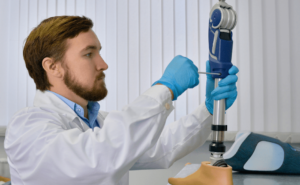
- Casting and molding: Creating a 3D model for a custom socket—the most important part for comfort.
- Fabrication: Using lightweight materials such as carbon fiber, titanium, or silicone.
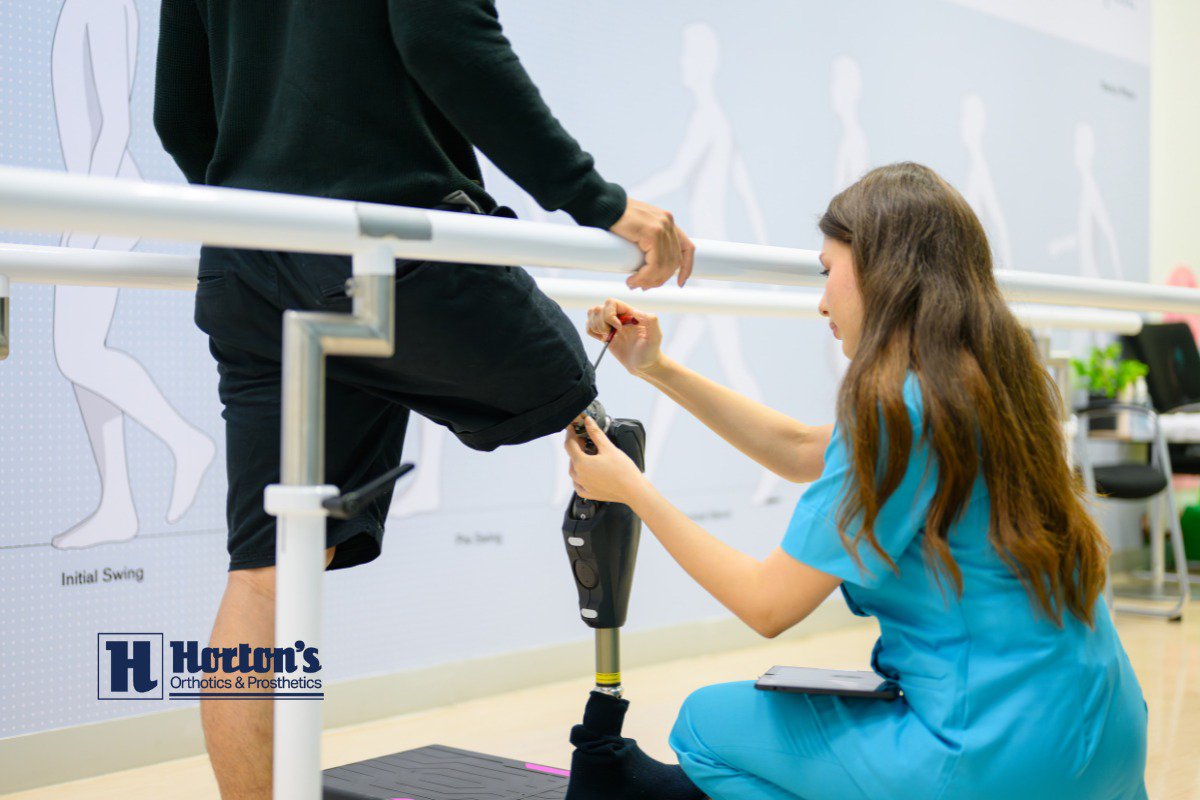
- Fitting and training: Ensuring alignment, comfort, and function through gait training and rehabilitation.
Modern prosthetics can include myoelectric control systems, which use electrical signals from muscles to move the limb, allowing for natural, intuitive motion.
The Orthotic Process
Orthotic fabrication follows a similar path, guided by a certified orthotist. The process involves:
- Evaluation: Reviewing posture, gait, and areas of pain or instability.
- Impression or digital scan: Creating a model of the body part for a perfect fit and alignment.
- Customization: Adjusting materials and shape to optimize comfort and support.
- Fitting and follow-up: Making sure the device works seamlessly in daily activities.
Orthotics can be made from soft, flexible materials for comfort or rigid materials for structural correction.

Specialists Behind the Devices: Prosthetics vs Orthotics
While the devices differ, the professionals who create them often share similar training backgrounds. Both prosthetists and orthotists are highly skilled clinicians who specialize in restoring and improving physical function through assistive devices.
These specialists typically hold a degree in Orthotics and Prosthetics or a related field, followed by a clinical residency and national certification. In the U.S., certification is managed by the American Board for Certification in Orthotics, Prosthetics & Pedorthics (ABC). Contact Horton’s Orthotics and Prosthetics for experienced, professional support.
Prosthetists and orthotists often work closely with physicians, physical therapists, and rehabilitation specialists to ensure each patient receives a comprehensive care plan. This collaborative approach ensures that the device not only fits correctly but also supports the patient’s long-term mobility goals.
Cost and Technology: What to Expect
One of the most common questions patients ask is, “How much will it cost?”
The answer depends on the type of device, its complexity, and the level of customization required.
Prosthetics vs Orthotics Device Costs
A basic prosthetic limb may start around $5,000, while advanced microprocessor-controlled or myoelectric limbs can exceed $70,000. Factors influencing cost include:
- Type of amputation and limb length
- Materials used (carbon fiber, titanium, silicone)
- Technological features (motors, sensors, control systems)
- Cosmetic vs. functional focus
- Insurance coverage and replacement schedule
While the cost may seem high, most prosthetic users find that the improvement in mobility and independence is well worth the investment.
Orthotics costs can vary, ranging from $200 to well over $800 for common devices such as custom insoles, braces, or splints. More advanced orthoses, like carbon fiber AFOs or spinal orthoses, can reach $1,500 or more, depending on materials and complexity.
Most insurance plans cover orthotics and prosthetics when medically necessary, and clinics like Horton’s Orthotics & Prosthetics work closely with patients to navigate the approval process.
Innovations in Design
Both prosthetics and orthotics continue to evolve with advances in 3D printing, lightweight composite materials, and digital scanning technology. These innovations have improved not only the performance of devices but also the patient experience, reducing wait times, improving comfort, and enhancing long-term outcomes.
The Overlap: When Both Are Needed
In some cases, patients may benefit from both a prosthetic and an orthotic device. For example, an amputee with joint weakness in the remaining limb might use a leg brace to improve balance and alignment while using a prosthetic on the other side.
Clinicians take a whole-body approach to ensure both sides work together efficiently, preventing overuse injuries and promoting better mobility overall.
Prosthetics vs Orthotics: Finding the Right Solution
Choosing between prosthetics vs orthotics isn’t always simple, but you don’t have to make the decision alone. The right solution depends on your medical condition, lifestyle, and mobility goals.
At Horton’s Orthotics & Prosthetics, we believe every patient deserves to move comfortably and confidently. Our certified prosthetists and orthotists use cutting-edge technology and personalized care to design devices that fit seamlessly into your life.
From the first evaluation to long-term follow-up, we’re with you every step of the way, helping you get back to the activities you love with greater independence and less pain.
Take the Next Step Toward Better Mobility
If you’re ready to learn more about prosthetics vs orthotics, our team is here to help. We’ll evaluate your needs, explain your options, and create a custom plan designed just for you.
Horton’s Orthotics & Prosthetics proudly serves patients across Central Arkansas, providing compassionate care and advanced mobility solutions that change lives. Schedule your evaluation or contact us today and take the next step toward renewed movement, comfort, and confidence.