Getting a prosthetic marks a big change in anyone’s life, and the prosthetic fitting process can be especially intimidating. Remember, you’re not alone. The beginning matters most, so your first fitting sets the tone. Understanding how the process works empowers you to take an active role in your journey from the start, making confident choices and building the foundation for lasting comfort and mobility. Learn what to expect, when to expect it, and how to prepare for the process so you can feel ready, not lost.
Key Takeaways:
- The initial consultation includes an evaluation of limb healing, strength, joint movement, and overall lifestyle.
- During the consultation, you should ask about the treatment timeline, insurance coverage, healing process, and fitting steps.
- Pre-prosthetic preparation includes proper wound healing, regular exercise, skin care, and emotional readiness.
- A test prosthesis checks the fit and supports early adaptation; these often require frequent adjustments.
- Socket shaping and alignment are adjusted to improve comfort and function, and multiple fittings are common.
- The final prosthesis is built after the residual limb stabilizes; this process may involve 7 to 18 visits.
- Rehabilitation includes gait training and strength exercises.
- Prosthesis care involves check-ups every 6 to 12 months, daily cleaning, and socket refits as needed.
Start the Prosthetic Fitting Process: Initial Consultation
A person’s first prosthetic visit sets the path forward. The prosthetist checks several areas during this first meeting. They look at the healed limb, strength, skin, and joint range of motion.
The goal is to see if the limb has healed. It should not have open wounds or swelling. Then, the prosthetist checks if the person has the strength and balance to use a prosthesis. This includes how you move, stand, and lift your weight. Health issues like diabetes or heart conditions are noted, as they may affect healing and use.
The prosthetist includes lifestyle in the review, too. They ask about work, travel, or hobbies like swimming or biking. This helps match the device to real-life needs.
The first visit also includes measuring the limb and checking its shape. They may use plaster or a digital scanner to help build a socket that fits well.
Initial Prosthesis Assessment and Measurement Phase
The first step in the prosthetic fitting process is the initial assessment. The prosthetist learns about your goals and evaluates the limb’s current condition.
During prosthetic assessment, a prosthetist evaluates a limb by checking on shape, skin, strength, and movement quality. They touch the skin, check pressure points, and look for scars or grafts. They want to see how the limb handles everyday stress.
Molds or 3D scans record the exact size and shape of the residual limb. Warm plaster or digital scanners record the limb’s outline. These become the model for making a test socket. This phase plays a critical role in socket fit accuracy. A good model helps avoid skin pain and gives a closer, safer fit. The socket connects your body to the device. If it fits too tightly or loosely, the skin can break down. Early measurements help tailor the shape.
After the model has been created, a positive mold is built from your model and fine-tuned by hand. This guides the test socket that will be worn and adjusted several times.
If the limb is still healing, you’ll be shown how to use wraps or shrinker socks to shape it further. A custom fit takes time, and that time builds long-lasting comfort.
Questions to Ask During the Early Prosthetic Fitting Process
Use the consultation visit to get clear on the full process. It helps to ask questions right away. In general, ask about healing progress, fitting steps, costs, and support.
Good questions include:
- When can I get a prosthesis?
- What type fits my needs best?
- What does my insurance cover?
- How often will I need follow-ups?
- What if I feel pain later?
These answers help you stay on track and feel at ease. The prosthetist will also explain how you can help your healing. They may suggest daily stretches or using compression socks. You can ask what to start now, before the fitting, to support your healing as thoroughly as possible.
Choose the Right Prosthetist for Your Prosthetic Fitting Process
The fitting process for a prosthetic involves many visits. The connection between you and your prosthetist matters, meaning you need someone you trust. Choose someone experienced, supportive, close to home, and within your health plan.
Look for a licensed and certified provider. They should be engaged in your story and listen well. Ask how much experience they have with your specific type of limb loss or amputation. Trust your instinct; if you are confused or overwhelmed by a provider, you may want to look elsewhere. Horton’s Orthotics and Prosthetics supports you during the entire fitting process.
Bring a friend or family member. They can help you stay calm and recall more details. Your choice now affects how well your limb will fit later, so the support makes a meaningful difference.
Preparing for the Prosthetic Fitting Process
Preparation involves all of you: mind, body, and limb. The more you do now, the better each step will go later. The main physical steps involved in pre-prosthetic preparation are:
- Healing: The wound should be closed, stitches removed, and no infection present.
- Limb shaping: You may need to wear shrinker socks or bandages to reduce swelling.
- Exercise: Stretching and light strength exercises keep joints loose and muscles strong.
- Skin care: Clean daily with warm water and mild soap; check for signs of infection.
You need to feel prepared mentally and emotionally, as well as physically. Losing a limb can be shocking or sad. People often feel nervous, upset, or afraid of how they’ll function or appear. People with hope and motivation often recover more smoothly. Studies show they use their prosthesis more and adjust sooner.
It helps to talk. Support can come from peer groups, therapists, or family.
Educational Resources for the Prosthetic Fitting Process
Knowing the process makes it easier. Learning helps reduce stress and gives you more choices. You should understand how a prosthesis works, its parts, and how fittings happen.
Clear guides and videos describing the prosthetic fitting stages offer a good starting point. You can also look more broadly at the prosthetic fitting process overview, which explains each stage from mold to motion. Books, group support, and clinics with in-house educators can help, too. Ask questions about socket care, practice drills, or clinic visits.
Temporary or Test Prosthesis in Early Fittings
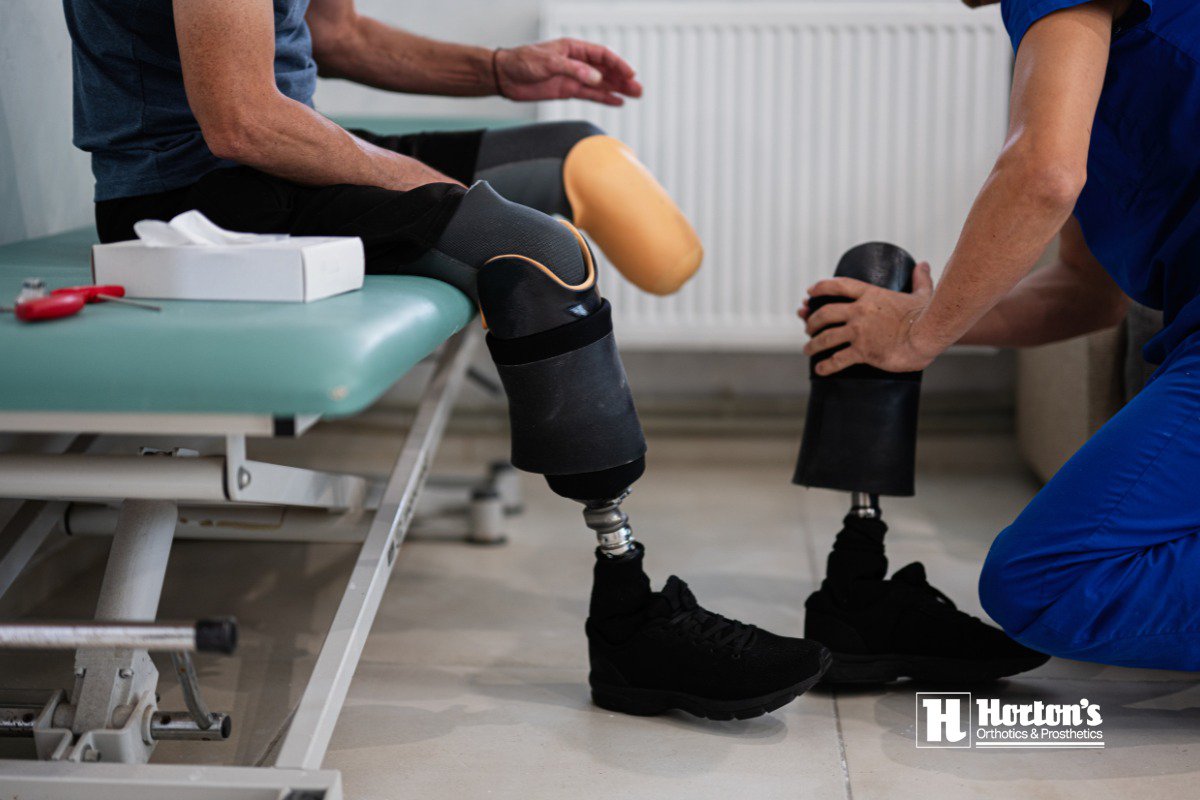
A test socket helps evaluate how well the prosthesis shape matches your limb. It’s a clear plastic mold that allows the prosthetist to see how the socket fits and feels, making adjustments as needed. This draft version helps refine the fit before the final prosthesis is made. It can even be worn during standing and gentle movement to assess comfort, alignment, and overall function.
The temporary prosthesis combines the test socket with real working components, allowing you to begin moving with assistance. Early fitting helps your body and brain adapt to the prosthesis. By starting to walk or reach early in the process, you rebuild muscle control, improve balance, and shorten the time to full activity. This stage also applies gentle, safe pressure to the healing limb, encouraging circulation and building strength and confidence.
Because the limb continues to change during this stage, frequent adjustments are normal. The prosthetist may trim or reshape the socket to relieve pressure or discomfort, modify liner sizes, or add padding for better contact and support. These modifications help make each step more balanced and comfortable, preparing you for the final prosthesis.
Socket Fitting, Shaping, and Alignment
The socket is shaped to match your residual limb using a mold or digital scan during the prosthetic fitting process. A clear check socket tests for comfort and fit. The prosthetist evaluates how it feels on your limb, adjusting areas that are too tight or loose and relieving pressure points. Several fittings are often needed to achieve the right balance of comfort and stability.
Alignment adjustments control how the prosthesis connects your body to the ground or how an upper limb moves through space. Poor alignment can cause pain, strain, or imbalance.
For leg prostheses, the prosthetist may fine-tune foot angles or stride alignment; for arm prostheses, they may adjust joint angles or spacing. These refinements continue through early use as your limb adapts and strengthens.
Sockets are typically built with a rigid outer shell and a soft inner liner made of silicone, gel, or similar materials to protect the skin. Fabric socks may be added to fill small gaps or improve grip. As your limb shape changes, materials or liner thickness should be updated to maintain a secure fit. Each adjustment enhances comfort, prevents skin irritation, and helps your body move more naturally.
Creation and Finalization of Definitive Prosthesis
A final prosthesis can be created once healing is complete and the limb size has stabilized. When your limb maintains a consistent shape each day, you can safely transition from a temporary to a permanent device. It’s important not to rush this phase. Waiting ensures a better, longer-lasting fit.
Before fabrication begins, your care team reviews your condition and goals to design a prosthesis that fits your lifestyle. A new mold or digital scan confirms your limb’s exact shape, and a final socket is built and tested for comfort and precision.
The final prosthesis typically includes about seven key components that work together for comfort, stability, and movement. Design choices depend on factors such as body shape, activity level, skin type, and personal goals. For example, people who walk daily need more dynamic parts, while others may need fine motor control for tasks or tools.
Strong yet lightweight materials (like carbon fiber) are often used. Arm prostheses may include gripping mechanisms, while leg prostheses are designed for smooth, natural walking. Achieving the perfect fit can take seven to eighteen visits, along with multiple refinements and detailed work at the lab.
Different Suspension Systems for Fit and Comfort
Suspension keeps the prosthesis in place. It must hold tight without hurting.
The three main types of suspension systems are:
- Pin-lock, which uses a gel liner and a locking pin.
- Suction, which uses a valve or sleeve to form a seal by air pressure.
- A vacuum, which uses a pump to hold the socket close to the limb.
Each style fits a different need. You and your provider decide what works best during the prosthetic fitting process.
Pin-locks work well for those with hand control, but they may pull skin if the fit changes.
Suction types take more skill, but they feel more secure and smooth. Good for short limbs or soft tissue, they need careful donning and firm balance.
Vacuum suspension is recommended for those who are active and have consistent limb shape. Vacuum systems offer a solid seal and reduce rubbing. The pump can be mechanical or electrical. It suits those who walk often and need high comfort. Unfortunately, this system can struggle with limbs that change size often.
| Suspension Type | Characteristics | Pros | Cons |
|---|---|---|---|
| Pin-Lock | uses a gel liner with a locking pin that clicks into the socket | easy to put on or remove; secure hold; simple design | may pull or irritate skin if the fit changes; can cause pressure at the bottom of the limb |
| Suction | uses a valve or sleeve to create an airtight seal by air pressure | provides a smooth, stable feel; good skin comfort; fewer movement gaps | requires skill and balance to don properly; seal may break with sweat or movement |
| Vacuum | uses a mechanical or electric pump to maintain constant suction between the socket and limb | most secure fit; reduces rubbing and pistoning; improves circulation and comfort for long use | more complex and costly; less effective if limb size fluctuates |
Rehabilitation in Successful Prosthetic Adaptation
Rehabilitation helps you learn to use your limb. It begins before the prosthesis arrives to keep your body ready.
Some types of rehabilitation that support prosthetic users are:
- Pre-use training
- Walking skills
- Strength building
- Balance work
You may start by stretching or lifting before the device comes. Then, it moves to walking, stairs, or reaching. Gait training supports mobility by teaching walking steps and posture for safe use.
Training lowers strain on joints. Tilt tables, stairs, and balance boards are used over time. If pain shows up, your team will trace it back to how you walk.
Rehab teams work alongside prosthetists by sharing feedback, coordinating updates, and fine-tuning care. Therapists alert prosthetists to pain or gait issues. They may request socket or part changes. They also train you to clean and use your device. Additionally, therapists support mental health and help guide you in work or sports.
Ultimately, continued work in rehab leads to better control and long-term use.
Steps Following Receiving Your Prosthesis
Therapy starts right away after getting the final device. Therapists help you walk, move, and adjust to the device. You build muscle and control while learning new ways to do tasks. Movement training lowers the risk of pain or bad posture. Phantom limb pain may also be managed with therapy or massage.
It takes time to adjust to a new limb. At first, most people wear the device for short periods. That time increases with comfort. Skin may get sore early, and that’s when adjustments are made. Consult with your doctor and/or provider for accurate time estimates.
Staying active and involved with therapy makes this phase smoother. Remember, wearing a prosthesis is a shared process with your support team.

Common Challenges in the Prosthetic Fitting Process
Fitting a prosthesis may involve difficulties. Fit issues are the top concern. Often, this starts with the socket. Remember: don’t force through pain. Take the device off and show red spots with photos if needed.
During fittings, redness, pinching, blisters, and sore spots may occur. Sockets may apply odd pressure or shift as the body changes. Limb shape changes often and affects the feel each day. The prosthetist addresses pressure points and irritation by adjusting the socket or fitting new padding. Liners between the skin and socket limit rubbing. Your team may try new materials or make shape changes to fix pressure spots.
Frequent fittings are common: it’s how better sockets are built.
Prosthetic Refitting
If any pain or imbalance lasts, refitting may be needed. A poor fit leads to strain and less usage. If the limb shrinks or you feel shifts, clicking, or skin wear, a recheck makes sense.
Annual visits catch issues early. Good fitting is a shared task, meaning feedback from you helps your team help you. For difficult fits, some ask about surgical options.
Take The Next Step Toward Strength And Support
Making the right choices early on in your prosthetic fitting process makes every day after more active and comfortable. At Horton’s Orthotics and Prosthetics, we guide you through every chapter of your journey. With expert guidance, each stage of the prosthetic fitting process becomes a step toward independence, strength, and renewed confidence.
We combine advanced technology with compassionate care to ensure your prosthesis supports not just movement, but your lifestyle and goals. Take the first step toward comfort, mobility, and lasting confidence by scheduling your consultation with Horton’s Orthotics & Prosthetics today.