Athletic prosthetics are revolutionizing what's possible for athletes with limb loss. Not all prosthetic legs are built the same, especially if you want to run, jump, or train hard. Athletic prosthetics function very differently from everyday models, using specialized shapes, durable materials, and lightweight construction designed specifically for sports. What makes these devices so different from standard prosthetics? How do you choose the right athletic prosthetic for your sport? Here’s what to expect, from the fitting process to training.
Key Takeaways:
- Athletic prosthetics use carbon fiber construction for speed, strength, and energy return; popular running blades include models like the Össur Cheetah® Xtreme™.
- Everyday prosthetics prioritize comfort for daily activities, while sports prosthetics emphasize performance, shock absorption, and agility for athletic movements.
- Below-knee athletes retain their natural knee and use foot blades, while above-knee athletes require prosthetic knees that work with foot components.
- Advanced technologies include microprocessor-controlled smart knees, waterproof components for aquatic sports, and adjustable stiffness settings for different activities.
- Sports prosthetics require professional fitting, ongoing adjustments, and dedicated physical therapy to help athletes adapt and perform at their best.
- Financial assistance is available through organizations like the Challenged Athletes Foundation, Disabled Sports USA, and VA benefits for veterans.
Understanding Athletic Prosthetics & How They Differ
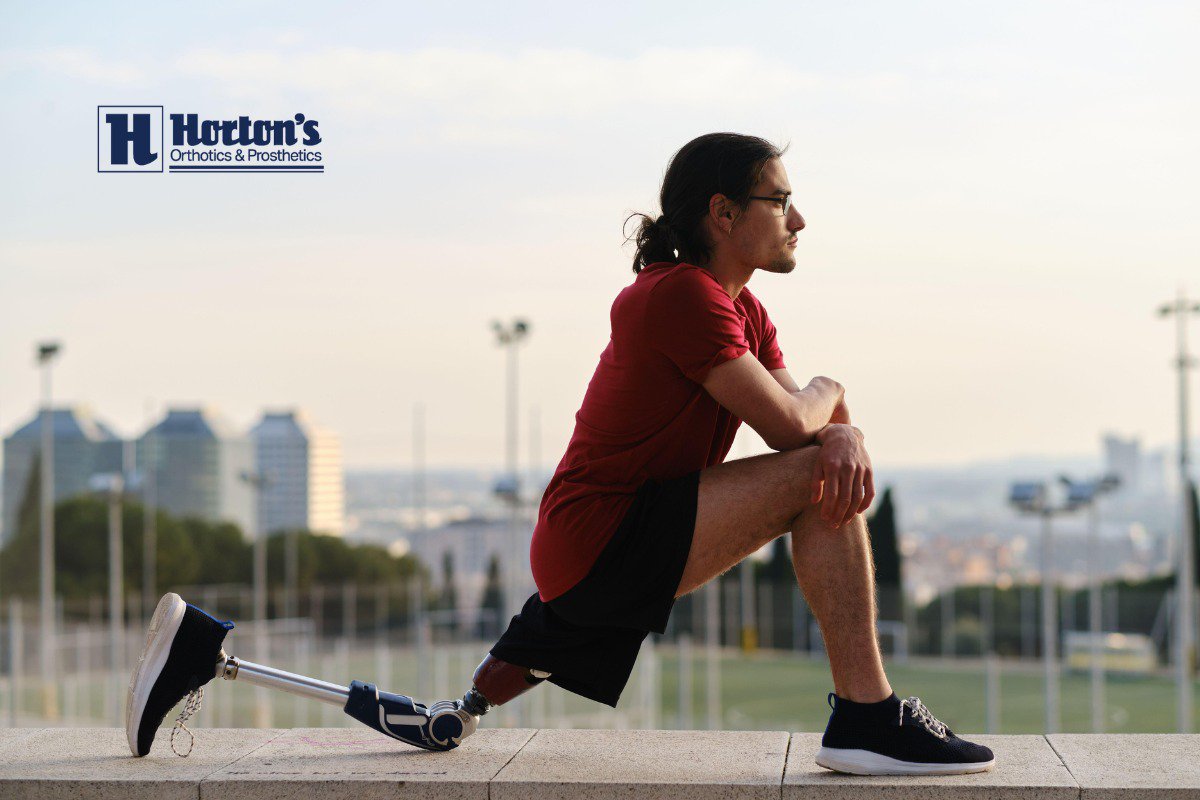
Athletic prosthetics are built specifically for movement, strength, and quick response. These specialized limbs don't look or perform like everyday prosthetic models. They're engineered to boost push-off power, absorb shock effectively, and handle rapid directional changes.
Made primarily from carbon fiber, athletic prosthetics are lightweight yet incredibly strong. Each device is shaped specifically for a particular sport or activity. A sprinter needs different features than a swimmer or rock climber.
Performance-Focused Design Features
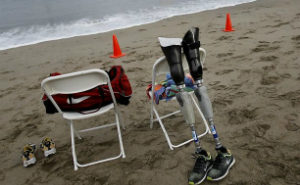
Athletic leg prosthetics, particularly running blades, feature a distinctive curved shape resembling a spring. This curvature helps store energy during impact and release it during push-off, improving stride force while reducing strain.
Daily-use prostheses prioritize comfort and natural appearance. They support walking, standing, and lighter activities. Sports prostheses focus on performance, designed to move with speed and power while absorbing high impact and handling abrupt turns.
Horton's Orthotics and Prosthetics works with athletes throughout Arkansas to select and customize prosthetics that match their specific sport and performance goals.
Comparing Athletic Prosthetics Types
| Prosthetic Type | Primary Use | Key Features | Best For |
|---|---|---|---|
| Sprint Blades | Short-distance running | Stiff, short, curved design; maximum energy return | 100m-400m races, explosive movements |
| Distance Running Blades | Long-distance running | Longer, more flexible; reduced joint strain | 5K-marathon distances, trail running |
| Multi-Sport Prosthetics | Various activities | Adjustable stiffness; versatile design | Athletes who participate in multiple sports |
| Waterproof Prosthetics | Aquatic sports | Sealed components; corrosion-resistant materials | Swimming, water polo, surfing |
Latest Advancements in Athletic Prosthetic Technology
Current athletic prosthetic technology integrates carbon fiber blades, microprocessor-controlled smart knees, and specialized components. These innovations help athletes run faster, turn more sharply, and jump more powerfully.
Carbon fiber has transformed athletic prosthetics by providing lightweight construction and exceptional durability. This material compresses under load and springs back forcefully, returning stored energy with each step. Blades shaped like a J or C bend under pressure and release energy as they return to form.
Smart Prosthetic Technology
Microprocessor-controlled components represent a major advancement for above-knee athletes. Devices like the iLimb connect to smartphones and automatically adjust to different movement patterns. These smart knees detect whether you're walking, running, or changing speeds, then adjust resistance accordingly.
Athletes in Arkansas working with Horton's Orthotics and Prosthetics benefit from access to these leading technologies.
Which Prosthetic Legs Work Best for Running?
Prosthetics for running are most effective when precisely matched to the athlete's stride pattern, running distance, and speed goals. Sprint blades are shorter and much stiffer than distance models. They deliver powerful forward propulsion for explosive speed over short distances.
Endurance models are longer and more flexible, which reduces strain on joints over time. They usually include greater posterior curvature for improved balance during extended periods of repetitive movement. Distance blades provide improved rear contact for stability, especially important when fatigue sets in.
The “Cheetah Xtreme,” for example, supports high-speed sprints with its stiff configuration. Understanding the prosthetic fitting process helps athletes know what to expect when getting fitted for running-specific devices at Horton’s Orthotics & Prosthetics.
Running Prosthetics for Different Amputation Levels
Prosthetics must be carefully tailored to the level of limb loss. The primary difference between below-knee and above-knee prosthetics is the knee joint.
Below-knee (BK) athletes retain their natural knee and use only a foot blade component. Above-knee (AK) athletes require both a prosthetic knee and foot that must work together harmoniously. BK runners conserve more energy by using their biological knees. AK athletes depend entirely on mechanical joints, requiring significantly more physical effort.
Smart prosthetic technology particularly benefits AK athletes. Devices like the Ottobock X3 knee use embedded sensors to read motion patterns and respond within milliseconds. Athletes can create custom profiles for different activities or training intensities.
Training support makes a significant difference in adaptation success. Horton's Orthotics and Prosthetics combines clinical expertise with equipment fitting, helping athletes in Arkansas adapt more quickly to their athletic prosthetics.
The Fitting and Training Process for Athletic Prosthetics
Getting fitted for sport-specific prosthetics involves close collaboration between the athlete, prosthetist, and physical therapy team. Success requires proper equipment selection, precise fitting, and dedicated training.
Professional Fitting Process
Athletes work with a certified prosthetist to assess their goals and determine the right prosthetic design. Prosthetists consider the athlete's specific activity when recommending components. Runners need curved blades optimized for their distance and speed. Swimmers need sealed, waterproof joints.
The prosthetic socket must be light enough for quick movements while providing secure attachment. Residual limb volume changes significantly during early healing, so initial fittings involve test sockets. Once swelling subsides, the final socket is fabricated.
Learning where to buy prosthetics and finding qualified providers is an important first step for athletes exploring their options.
Physical Therapy's Critical Role
Physical therapy builds strength and teaches movement techniques essential for athletic performance. Therapy often starts before surgery, focusing on core strength and conditioning the unaffected limb. Post-surgery, therapy includes sport-specific drills for weight shifting, directional changes, and controlled stops.
Horton's Orthotics and Prosthetics emphasizes comprehensive preparation that addresses both physical readiness and mental confidence. A strong psychological outlook ensures athletes trust their equipment during high-intensity activity.

Training Tips for Athletes with Prosthetics
Begin with fundamental balance work before progressing to sport-specific movements. Focus on proper form rather than speed during initial training. Warm-ups should strengthen the core and hip muscles, which guide limb alignment.
Incorporate drills like skips, high knees, and bounding exercises for safe strength development. Start training on flat surfaces and progress to uneven terrain only after establishing stability. Use mirrors or video recording to assess and refine form.
Rest and recovery are as important as training volume. Monitor skin condition inside the socket carefully and adjust liners if irritation develops. Coaches, therapists, and prosthetists should review progress regularly.
Professional athletes with prosthetics demonstrate what's possible with proper equipment, training, and dedication.
Sports-Specific Prosthetic Options
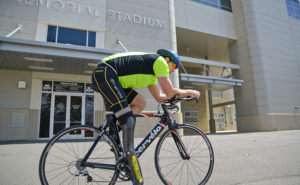
Different sports require specialized prosthetic features beyond standard running blades. Upper-limb athletes need different solutions than lower-limb athletes. Baseball players use specialized gloves adapted for catching and throwing. Cyclists benefit from devices that offer improved handlebar control and grip.
Swimming and water sports require completely sealed components that resist corrosion. The Freedom Innovations Swim Foot features waterproof construction designed specifically for pool and open-water use.
Athletes who participate in several sports often benefit from versatile prosthetics that adjust for different activities. Horton’s offers options that work for both daily wear and sports like tennis, basketball, or trail running. This versatility reduces the need for multiple specialized devices.
Accessing Athletic Prosthetics and Financial Support
Athletic prosthetics represent a significant investment in quality of life and athletic performance. The exact investment varies based on amputation level, specific sports requirements, and component selection.
Several organizations provide financial assistance specifically for athletic prosthetics. The Challenged Athletes Foundation offers grants for sports equipment and training support. Disabled Sports USA provides resources and sometimes equipment assistance. Veterans may qualify for specialized athletic prosthetics through VA benefits.
Insurance coverage varies significantly between plans. Some policies cover athletic prosthetics as durable medical equipment, while others classify them as non-essential. Documentation from physicians and prosthetists explaining medical necessity can strengthen insurance claims.
Horton's Orthotics and Prosthetics works with athletes and families to explore all available financial options and create sustainable plans for accessing appropriate equipment.
Achieving Your Athletic Goals with Horton's Orthotics and Prosthetics
Athletic prosthetics have transformed what's possible for athletes with limb loss. From carbon fiber running blades that return energy with each stride to microprocessor-controlled knees that adapt automatically to different movements, today's technology supports remarkable athletic achievements.
Whether you're a competitive athlete pursuing elite performance or someone who simply wants to return to recreational activities you love, the right athletic prosthetic makes a profound difference. Success requires proper equipment selection, expert fitting, dedicated training, and ongoing support from experienced professionals.
At Horton's Orthotics and Prosthetics, we're committed to helping athletes throughout Arkansas reach their full potential. Our experienced team works with leading manufacturers to provide access to advanced athletic prosthetic technology. We combine clinical expertise with a genuine understanding of what athletes need to perform at their best.
From your initial consultation through fitting, training, and ongoing adjustments, we're with you every step of your athletic journey. We've seen firsthand how the right prosthetic equipment transforms lives, restoring not just mobility but confidence, independence, and joy in movement.
Ready to explore athletic prosthetic options? Contact Horton's Orthotics and Prosthetics today to schedule a consultation. Let's discuss your athletic goals and create a plan to help you achieve them. Your return to sports starts here.