Getting the right breast prosthesis can improve how you feel each day. If you've had a mastectomy, the fit of your breast form affects comfort, balance, and confidence. But where do you begin? Our breast prosthesis fitting guide is designed to go through each part at home and give you a basis for speaking with a professional, so you feel ready and in control. Let’s make sure your breast form fits your body and your life.
Key Takeaways:
- Measure underbust for band size; round up if the number is odd.
- Measure bust at fullest point; subtract band size to find cup (1"=A, 2"=B, etc.).
- Use brand-specific charts to match bra size to prosthesis size.
- Try a DIY fit check at home with a sock in a snug bra and check symmetry.
- Professional fittings involve trained fitters, precise sizing, form testing, and personal support.
- Choose full forms after mastectomy; partial/shapers for tissue loss.
- Silicone forms are good for regular wear; foam is lighter for rest, warm weather, or movement.
- Mastectomy bras have pockets to hold a form and help with balance.
- Clean forms daily, store in original box, avoid heat and sharp edges.
- Insurance often covers 1–2 forms per year; prescription and approved supplier needed.
- Re-fitting suggested yearly or if weight or body shape changes.
- Emotional wellbeing matters—choose forms and bras that match your needs.

Breast Prosthesis Fitting Guide for Comfort, Confidence, and Everyday Ease
For many women, life after a mastectomy comes with physical healing and emotional adjustment. That’s why finding the right breast form matters so much. A well-fitted prosthesis supports both your body and your confidence. Whether you're just beginning the process or revisiting your fit after some time, this breast prosthesis fitting guide will help you understand everything — from measuring at home to selecting the right style for your lifestyle.
Start With Accurate At-Home Measurements for Better Fit
To begin with, measuring at home is a great first step. It gives you a general idea of your size before meeting with a certified fitter. First, use a soft measuring tape to take your underbust measurement. Wrap the tape snugly under your bust while standing tall. If it reads 36 inches, that’s your band size. If it’s between sizes, round up to the nearest even number.
Next, measure around the fullest part of your chest, keeping the tape level and not too tight. Subtract your band size from this number to determine your cup size. Each inch difference corresponds to a cup:
- 1 inch = A cup
- 2 inches = B cup
- 3 inches = C cup
- 4 inches = D cup
- 5 inches = DD or E cup
For instance, if your band is 36 and your bust is 39, you’re likely a C cup. Once you know your bra size, match it to a breast form sizing chart provided by your preferred brand. Brands like Amoena or Trulife typically offer charts that show what size breast form corresponds to a given bra size.
Try a Breast Form Fit Check at Home
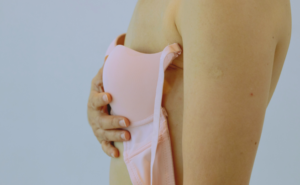
Although professional fittings are ideal, you can begin testing at home following our breast prosthesis fitting guide. Wear a soft, supportive bra and place a folded sock, cloth, or foam cup inside to mimic a breast form. Then, observe your reflection in a mirror. If it bulges, however, try a smaller form; conversely, if it sags or doesn’t fill the cup, you should go larger.
Additionally, look for shapes that match your contour—teardrop, round, or asymmetrical. Ultimately, the right shape depends on how much tissue was removed, your frame, and your clothing style. This early trial can help you feel more confident when you're ready for a professional fitting.
Know What to Expect During a Professional Breast Prosthesis Fitting
When you visit a clinic like Horton’s Orthotics & Prosthetics, you’ll meet with a certified mastectomy fitter trained to guide you through the process.
The fitting takes place in a private room and typically begins with a conversation about your surgery, healing progress, and comfort preferences.
Transitioning to Measurements
Following this discussion, the next step involves measurements:
- The chest wall on the surgical side
- Your band size
- Skin tone matching
- Style and shape comparisons
You'll then explore different options using a fitting kit that includes a variety of weights, textures, and shapes. It's essential to bring a bra that fits well, along with a few close-fitting tops, your doctor's prescription, and your insurance card. These items will help the fitter recommend options that align with your body and lifestyle.
Questions to Consider
Moreover, it's beneficial to ask:
- What types of breast forms are available?
- How do I clean and store them?
- What does insurance cover?
- Can I try different styles for seasons or activities?
By considering these questions, you can plan ahead and make informed choices easily. Keep our breast prosthesis fitting guide handy to refer back to if you need.
Understand the Types of Breast Prostheses Available
Your needs may vary depending on the extent of your surgery. For instance, full forms are designed for those who’ve had a complete mastectomy. Meanwhile, partial or shaper forms work well after lumpectomies or reconstruction, as these fill in uneven areas and support symmetry.
Additionally, consider materials:
- Silicone forms mimic natural tissue, balance weight, and move with your body.
- On the other hand, foam forms are light, soft, and great for post-surgery recovery, rest, or warm weather.
Consequently, some women prefer silicone for daily wear, while foam is ideal for lounging or sleep. There are also swim-safe and sport-specific forms that resist water and stay secure during movement.
Choose between symmetrical forms (for both sides) or asymmetrical options (for one side only). Meanwhile, asymmetrical forms are shaped to match your chest wall and remaining tissue, thereby offering a more personalized fit.
How Mastectomy Bras Support Breast Prostheses
A good prosthesis also needs a supportive bra. Mastectomy bras feature built-in pockets that hold the form in place. These pockets keep everything stable during movement and prevent the form from shifting or rubbing.
Key bra features to look for include:
- Wide bands for better weight distribution and posture support
- Soft, padded straps to reduce shoulder pressure
- Seamless cups for a smooth look under clothes
- Pocketed cups to hold the form securely
If you’re active, a mastectomy sports bra might be helpful. These are designed for exercise and provide extra hold during movement.
Though some women try inserting forms into regular bras, this usually leads to slipping or discomfort. Mastectomy bras are designed with your needs in mind, supporting both confidence and comfort.
Post-fitting Guide: Daily Comfort and Care Tips for Breast Prostheses
Taking care of your prosthesis ensures it lasts longer and feels better. Clean it daily with warm water and mild soap. Avoid harsh cleaners and dry it gently with a soft towel. Allow it to air dry completely before storing it.
Store your form in its original case or a soft-lined drawer away from heat and sharp objects. For travel, use a protective case to prevent warping or damage.
If you notice irritation or itching, clean both your form and skin more frequently. Using a cotton bra or adding a soft fabric cover can also help. For adhesive-backed forms, follow the brand’s cleaning and reapplication instructions carefully.
Avoid direct sunlight and heat, including in parked cars or near heaters. These conditions can warp silicone or melt adhesives.
Insurance Coverage and Cost Considerations
Many insurance plans cover breast prostheses and mastectomy bras, although coverage varies. Typically, one to two breast forms and three to six bras per year are covered. To use insurance, you'll need a doctor’s prescription and must purchase through an approved provider.
To find out what’s covered:
- Call your insurance provider
- Ask about prosthesis and bra coverage
- Confirm whether a certain brand or supplier is required
- Check how often you can receive replacements
Horton’s Orthotics & Prosthetics can help you with billing questions and paperwork. They work with Medicare, Medicaid, and most private insurers. Medicare, for example, covers one silicone form every two years or two foam forms per year.
If insurance doesn't cover your needs, ask about discounts, payment plans, or nonprofit support. Some organizations host free fitting events or offer donated forms. Foam forms are also more affordable and serve as a comfortable daily option.
Emotional Wellness and Lifestyle Adjustments After a Mastectomy
Choosing a breast prosthesis isn’t just about physical balance—it’s about emotional healing too. Adjusting to post-surgery changes takes time. A prosthesis that fits well can help you feel more like yourself.
Wearing a form that suits your body shape, activity level, and style can improve how you carry yourself and how clothes fit. Bring a variety of tops to your fitting so you can see how the form looks under different fabrics and cuts.
If you're active, choose lightweight or sport-specific forms. For relaxing at home or sleeping, soft foam forms work well. Many women switch between different types based on what the day requires.
Support groups offer a space to talk openly. Local or online communities can share advice, stories, and encouragement. Certified fitters and peer mentors also provide personalized guidance and reassurance.
When to Get Re-Fitted for a Breast Prosthesis
Even the best prosthetic fit doesn’t last forever. Bodies change due to age, weight fluctuation, posture shifts, or healing progress. That’s why an annual re-fitting is recommended—even if everything feels fine.
Signs you may need a re-fitting include:
- The form shifts or feels unbalanced
- Your bra no longer fits as it did originally
- Clothes don’t hang evenly or look off
- The form is damaged, hardened, or leaking
Most silicone forms last about two years, while foam or fabric ones may need replacement sooner. During a re-fit, your provider will re-measure and compare your current fit to new options. You may discover a lighter version, a better shape, or improved comfort.
Bring your favorite bras and tops to the fitting for the most accurate match. The goal is not just a better fit—but greater comfort and confidence in your daily life.
Ready to Begin Your Fitting Journey?
Let Horton’s Help You Feel Comfortable and Confident Again
At Horton’s Orthotics & Prosthetics, certified fitters are ready to guide you through every step of your breast prosthesis journey. Whether you’re measuring at home or seeking a full professional fitting, our team can help you feel supported, heard, and at ease. By following this breast prosthesis fitting guide, you can take control of your comfort and healing. From at-home measurements to professional fittings and daily care, each step is designed to help you feel balanced and supported. With the right tools, expert guidance, and a compassionate team, you can move forward with confidence—every single day.
Contact us today to schedule a fitting or ask questions about insurance, care, or options. Let your next step be one toward comfort, confidence, and care that lasts a lifetime.