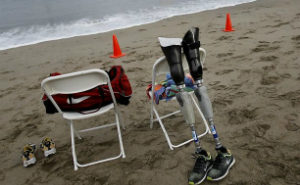
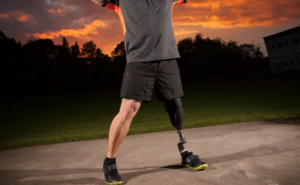
Diabetes amputation risks can be difficult to understand. High blood sugar can damage nerves and impair blood circulation, leading to issues like ulcers and infections. Small foot problems can quickly escalate if not addressed. Understanding the causes and taking preventive measures can make a significant difference in avoiding such complications. This post will explore the causes and how you can prevent limb loss.
Key Takeaways:
- Diabetes leads to limb loss mainly through poor circulation and nerve damage.
- High blood sugar harms nerves (peripheral neuropathy) and blood vessels, making healing harder.
- Foot ulcers and infections—usually from unnoticed injuries—are the top cause of amputation.
- Major warning signs: non-healing ulcers, black or cold skin, bad odor, exposed bone, or swelling.
- Most amputations occur at the toe, foot, or below the knee; doctors remove only infected or dead tissue.
- 1-year survival after an amputation is about 81%; at 5 years, it drops to roughly 50%.
- Recovery involves wound management, physical therapy, and emotional support.
- Prevention means steady blood sugar, daily foot checks, proper shoes, and quitting smoking.
- Common treatments to avoid amputation: wound care, antibiotics, tissue removal, oxygen therapy, and improved blood flow.
- Support can include therapy, peer groups, prosthetics, caregiver aid, rehab, and home adjustments.
What Makes Diabetes Lead to Amputation?
Understanding Diabetes-Related Amputation
The primary causes of diabetes-related amputation are narrowed blood vessels and nerve injury. High blood sugar affects nerves and circulation by damaging their structure and limiting blood supply.
Impact of High Blood Sugar on Nerve and Circulation
Consistently elevated blood sugar levels can lead to peripheral neuropathy, where nerves, especially in the feet, begin to deteriorate, causing a loss of sensation to pain, heat, or pressure. This makes it easy to overlook minor injuries.
The impact of high sugar on blood vessels causes them to become thick and less flexible, hindering blood flow to the feet. Delayed healing turns cuts into open wounds, inviting infection and potentially leading to amputation. For more insights, explore 4 Facts About Diabetic Amputations You Need to Know.
Role of Infections and Ulcers in Diabetes Amputation
Foot ulcers are the leading cause of diabetes-related amputation, often starting with small injuries. Poor circulation hampers healing, allowing bacteria to thrive. When infections spread to the bone, gangrene can occur, necessitating tissue removal to prevent further complications. Learn more at Diabetes Amputation.
Warning Signs That May Indicate a Likelihood of Limb Loss
Indicators like long-lasting ulcers, dead bone, and poor blood flow can increase amputation risks. Watch for foot ulcers that don’t heal within two weeks or signs of infection such as exposed bone, bad odor, or discolored skin. Ankle-brachial index (ABI) tests can diagnose poor circulation. To prevent progression, early action is crucial.
Other risk factors include smoking, impaired vision, kidney issues, high blood pressure, or previous amputations. Explore more at Resurgence of Diabetes-Related Nontraumatic Lower-Extremity Amputation and studies from Frontiers in Surgery.
Early Signs of Serious Diabetes Amputation Risks
Symptoms Requiring Immediate Medical Attention
Signs such as open sores, swelling, skin color changes, or bad odor indicate an infected or non-healing wound. Pain may not be present due to nerve damage, emphasizing the importance of visual inspection. For further guidance, check out Foot Care Practices That Reduce Risk.
Distinguishing Between Minor and Serious Issues
A quickly healing scrape is likely not serious. However, wounds that stay open, redden, or leak fluid suggest deeper issues. Ulcers larger than a dime, especially if they expose deep tissue or bone, raise amputation risks.
Recognizing Tissue Death in Diabetes-Related Injuries
Gangrene often presents as dry, black, or brown skin, feeling hard or cold. Leaking dark fluid and foul smells are warning signs. Fast-acting infections require emergency attention and potentially surgery. Visit Diabetes and Amputation for more details.
Regular foot checks are essential to prevent unnoticed problems due to lost sensation.
Preventing Diabetes Amputation
Blood Sugar Management to Lower Amputation Risks
Effective blood sugar management prevents nerve and blood vessel damage. Without sensation, unnoticed injuries might become infected ulcers. Utilize glucose meters to monitor numbers, working with medical professionals to maintain healthy levels.
Lifestyle Habits to Prevent Diabetes Amputation
Daily foot checks for blisters, swelling, and color changes are crucial. Proper foot hygiene, hydration, and footwear can prevent serious complications. Trim nails straight and seek professional care for calluses and corns. Visit Preventing Amputation and Self-Care for more tips.
Importance of Diet, Exercise, and Quitting Smoking
Balanced eating helps control blood sugar. Regular walking improves circulation and reduces sugar levels. Smoking exacerbates foot problems and ulcer risks. Support for quitting smoking is highly beneficial.
Utilize resources from groups like the National Institute of Diabetes and Digestive and Kidney Diseases for comprehensive guides.
Steady care and proactive steps can help protect against diabetes-related amputations.

Foot Care Practices to Reduce the Risk of Diabetic Amputation
Daily Cleaning, Inspection, and Protection
- Wash: Use warm (not hot) water and mild soap. Ensure thorough drying, especially between toes, to prevent skin breakdown and infection.
- Dry: Make sure the feet are completely dry. Apply lotion elsewhere to prevent cracking but avoid between the toes.
Daily inspection is crucial for identifying issues early. Look for cuts, redness, blisters, swelling, or warm spots. Using a mirror or assistance can ensure nothing is missed. Regular inspection helps prevent ulcers that might lead to diabetes amputation.
Trim nails straight across to avoid ingrown nails. If nails are thick or curved, professional care is recommended. Home removal of corns or warts should be avoided. For comprehensive foot care guidance, visit Preventing Amputation in At-Risk Diabetics.
Footwear to Prevent Injuries
- Closed-Toe, Well-Fitting Shoes: Shoes should cushion the heel, arch, and ball of the foot. Opt for styles with soft linings, no inside seams, and ample toe space. Orthopedic shoes may benefit unevenly shaped feet.
- Appropriate Socks: Choose cotton or acrylic socks to maintain dryness. Avoid tight sock bands.
Walking barefoot can lead to unnoticed wounds, increasing diabetes amputation risks.
Annual Foot Exams
Scheduling a foot exam yearly, even when pain-free, is critical. Frequent exams are recommended for those with a history of ulcers or nerve pain. These exams assess skin, blood flow, and nerve function.
Custom inserts can prevent pressure wounds and have been vital in saving limbs. Discover more about their importance in Amputation Prevention in Diabetics and Custom Orthotics.
Common Types of Diabetic Amputations
Typical Locations for Amputations
- Toes, Feet, and Lower Legs: Infections from minor sores often lead to amputations in these areas due to poor circulation and healing.
Ray or transmetatarsal amputations may occur when multiple toe bones are affected. Below-knee removals happen when infections spread significantly. Learn more about the surgical procedures at the National Library of Medicine.
Determining the Necessary Procedure
Decisions are based on infected or dead tissue presence, ensuring as much healthy tissue is preserved. Circulation is evaluated using blood tests and scans like Doppler. Procedures range from toe removal to below-knee surgeries, depending on damage extent. For further insights, visit 4 Facts About Diabetic Amputation You Need to Know.
Recovery After Diabetic Amputation
Hospital Recovery and Home Transition
Hospital stays typically last 4 to 6 weeks to allow wound healing. The recovery team includes surgeons, nurses, doctors, therapists, and counselors.
At home, care involves regular nurse visits for wound cleaning and dressing. Walkers or wheelchairs may be necessary, and social workers connect patients with supportive services. For detailed guidance, see Diabetes and Amputation.
Emotional and Physical Healing
Recovery involves regaining strength through balance exercises and prosthetic training. Emotional support helps manage grief and sadness. Engaging with support groups and therapy can provide additional care.
Long-Term Health and Survival After Diabetes Amputation
Survival Rates and Daily Life Impact
- Survival Rates: 1-year survival is approximately 81%, dropping to just under 50% at 5 years. The systemic impact of diabetes leads to decreased survival.
Daily routines, including walking and working, become challenging. Reduced activity affects immunity and mental health. Support systems can help overcome these challenges.
Additional Health Conditions
Conditions like kidney failure and heart issues complicate recovery, making early intervention crucial. Maintaining foot health through daily checks and proper footwear remains a top priority. Learn more about these strategies at Horton’s O&P.
By understanding the connections between diabetes, foot care, and amputation risks, individuals can take proactive steps to protect their health and prevent complications.
Diabetes Amputation: Can It Be Avoided?
Preventing Diabetes Amputation Through Medical Treatment
In many instances, diabetes-related amputations can be prevented with timely medical care.
- Foot Wound Management
Quick action is vital for foot wounds. Initial steps include cleaning and debridement—removing dead tissue. Reducing pressure on the wound with padding, specialized shoes, or walkers aids in blood flow and healing. - Effective Treatments to Reduce Amputation Risks
- Regular wound cleaning
- Keeping wounds covered and dry
- Treating infections with antibiotics
- Oxygen therapy for challenging cases
Vacuum-assisted closure devices can also promote new tissue growth by removing excess fluid.
Advanced Treatment Options for Limb Preservation
- Topical Wound Oxygen Therapy
This therapy involves applying oxygen directly to the skin. Studies indicate it can reduce amputation risk by over 70%. - Revascularization Surgery
Procedures to open blocked blood vessels, enhancing circulation to the feet, are often necessary for individuals with narrowed leg arteries.
For more details on treatments, visit Diabetes Amputation.
Decision-Making in Diabetes Amputation Prevention
Doctors determine amputation necessity by evaluating several factors:
- Assessing Blood Flow
Ankle-brachial index (ABI) scores measure circulation, with scores below 0.9 indicating poor flow. Imaging tests may identify blockages. - Examining Wound Condition
Indicators like visible bone, pus, or blackened skin necessitate prompt intervention. Fast-spreading infections may require quick action, but surgery is a last resort.
Early and diligent care can often prevent the need for amputation. For further guidance, consult Diabetes Amputation.
Support Services and Resources for Diabetes Amputation Recovery
Emotional and Psychological Support Post-Amputation
Limb loss often leads to feelings of sadness, fear, shame, or isolation. Many individuals struggle with emotions of failure, and depression can follow. Early conversations addressing emotional well-being are vital.
Finding Support for Diabetic Amputees
Doctors can provide referrals to support services tailored for amputees:
- Support Groups and Counseling
Group settings offer connection and encouragement, proving life can improve. Online communities, like the Diabetic Amputee Support Group on Facebook, provide options for those uncomfortable with in-person meetings.
For more resources, visit Horton's O&P.
The Role of Caregivers and Prosthetics in Recovery
- Importance of Well-Fitted Prosthetics
A properly fitted prosthetic aids in mobility and comfort, playing a significant role in rehabilitation. - Caregiver Contributions
Caregivers are essential, helping with daily tasks like meals, bandage changes, and providing emotional support. They are trained to recognize shifts in mood, pain, or appetite that may signify deeper issues. - Developing a Clear Recovery Plan
- Care for the affected limb
- Utilize new tools effectively
- Introduce prosthetics at the right time
- Monitor for potential complications
Some individuals may require home modifications, such as ramps or wider doorways. Financial assistance programs are often available through social workers.
Rehabilitation centers support strength and offer pathways to new activities or hobbies. Resources are available at Horton's O&P.
Life post-limb loss is challenging but not insurmountable. Taking small, consistent steps is crucial in the journey to recovery.
Take Control of Your Foot Health
Diabetes-related amputations don’t happen overnight. The risk builds gradually, influenced by various factors including poor circulation and nerve damage. However, early and consistent foot care can play a crucial role in preventing these complications. By staying informed about warning signs such as non-healing ulcers, skin discoloration, or unusual odors, you can act swiftly to address potential issues before they escalate. Understanding how recovery works and what steps to take can empower you to manage your health proactively. Remember, you’re not alone in this journey. With the right support and a steady, informed approach, you can protect your feet and secure your future. For more personalized guidance and support, contact us at Horton’s O&P, and let our team assist you in taking the next steps towards safeguarding your health.