Understanding the various types of mastectomy prosthetics available can help restore your confidence and comfort after breast surgery. You'll learn to navigate the different options, from full silicone forms to lightweight foam alternatives, so you can make an informed decision that suits your lifestyle and needs. Whether you're looking for temporary comfort during healing or a long-term solution for active living, the right prosthetic can help you regain your sense of normalcy and self-assurance.
Key Takeaways
- Full prostheses replace an entire breast, while partial, shell, and hybrid forms address asymmetry or reconstruction needs.
- Temporary soft forms provide gentle comfort during the initial healing phase post-surgery.
- Silicone forms offer realistic appearance and movement, lasting 2-3 years, while foam forms provide lightweight comfort for 6-12 months.
- Activity-specific waterproof forms suit swimming and exercise, with breathable options available for heat management.
- The optimal fitting time is 6-8 weeks after surgery or radiation therapy.
- Custom 3D-scanned prostheses deliver precise fit but come with higher costs and limited insurance coverage.
- Specialized pocketed bras and supportive undergarments ensure secure positioning and comfort.
- Proper care involves gentle hand-washing and flat storage to maintain form integrity.
- Medicare and private insurance plans typically cover one prosthesis every two years, though custom options may require additional coverage verification.
Understanding Different Types of Mastectomy Prosthetics
After mastectomy surgery, you have several types of mastectomy prosthetics to choose from, designed to restore shape, balance, and confidence. Each type serves specific needs based on your surgery, lifestyle, and personal preferences.

Full vs. Partial: Which Type of Mastectomy Prosthetic Do You Need?
A full prosthesis replaces an entire breast removed during a mastectomy. These comprehensive forms come in various skin tones, sizes, and shapes to restore balance and support proper posture. You can wear them inside specially designed bras or attach them directly to your skin using medical adhesive.
Partial prostheses fill gaps left after lumpectomy or breast-conserving surgery. When tissue removal creates noticeable asymmetry, these targeted forms help restore your natural silhouette.
Temporary Soft Forms: Comfort During Early Healing
Temporary soft forms, often called "softies" or "comfies," provide gentle support during your initial recovery period. Made from fiberfill or lightweight foam, these forms feel soft against sensitive, healing skin. Many patients wear these temporary forms for several weeks or months until scarring fades and swelling subsides.
Silicone vs. Foam: Material Comparison
Choosing between different types of mastectomy prosthetics depends on your priorities regarding appearance, comfort, durability, and lifestyle needs.
Silicone Forms: Realistic Look and Feel
Silicone prosthetics closely mimic natural breast tissue in appearance, weight, and movement. Their realistic weight helps maintain proper balance and posture, while clothes drape naturally over the form. With proper care, quality silicone forms typically last 2-3 years.
However, silicone forms can feel heavy and warm, especially during the summer months. Healthcare professionals recommend waiting 6-8 weeks after surgery before wearing silicone forms.
Foam Forms: Lightweight Comfort
Foam forms excel in comfort and breathability, making them ideal for immediate post-surgery wear. Their lightweight construction feels gentle on healing skin and works well for rest, gentle walks, or light activities. While foam options cost less than silicone alternatives, they typically require replacement every 6-12 months.
Lifestyle-Based Prosthetic Choices
Your activity level and daily routine should influence your selection from the various types of mastectomy prosthetics to ensure comfort and security during movement.
Active Lifestyle and Exercise Options
If you maintain an active lifestyle, prioritize lightweight, secure forms that won't shift during physical activity. Foam forms work excellently for yoga, walking, or gentle exercise routines.
Water activities require specialized waterproof forms made from specially treated materials. Regular prostheses absorb water and become uncomfortably heavy. Swim-specific forms maintain buoyancy and stay positioned correctly when paired with appropriate mastectomy swimwear.
Key Factors in Choosing Your Prosthetic
Several important considerations will help you select the most appropriate option from the available types of mastectomy prosthetics for your unique situation.
Optimal Fitting Timeline and Professional Support
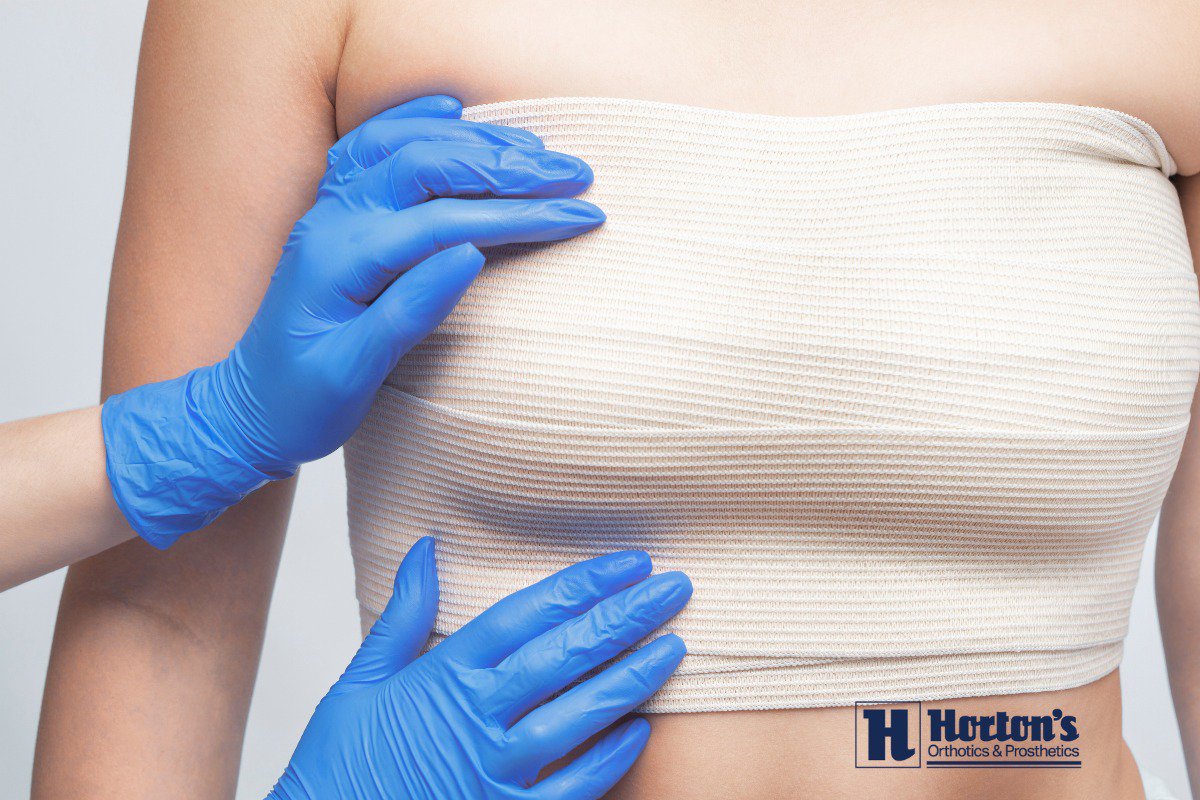
Schedule your professional fitting 6-8 weeks after surgery to allow proper tissue healing. Certified prosthetists measure your chest accurately and help identify the best shape and size for your body. Their expertise helps prevent discomfort while ensuring proper skin health and assisting with insurance documentation.
Essential Selection Criteria
Consider these crucial factors:
- Shape options include teardrop and round designs—select one that matches your remaining breast.
- Comfort features become especially important for sensitive skin, where foam materials may provide relief.
- Symmetry concerns ensure your bras fit properly without twisting, supporting good posture and clothing fit.
Types of Mastectomy Prosthetics: Custom and Specialized Solutions
For women requiring unique fits, custom prosthetic options provide tailored solutions that match your specific body contours more precisely than standard options. Modern custom prosthetics utilize advanced 3D scanning technology, but they represent a significant investment often costing hundreds to thousands of dollars with limited insurance coverage.
Compatible Undergarments and Care Guidelines
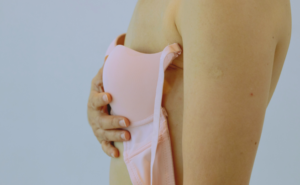
Pocketed mastectomy bras feature soft interior pockets to hold your prosthetic securely and protect sensitive skin. These specialized bras include wider straps and firmer bands to distribute weight evenly across your shoulders and back.
Proper Care and Maintenance
Clean silicone forms with warm water and gentle, fragrance-free soap after each use. Store your prosthetic flat in a clean, cool, dry location. Replace silicone prosthetics approximately every two years, while foam forms typically require replacement every 6-9 months.
Insurance Coverage and Financial Considerations
Medicare and most private insurance plans cover one prosthesis every two years, plus several mastectomy bras annually. Contact your insurance provider to clarify specific benefits and explore local cancer support organizations that may offer financial assistance.
Taking the Next Step Toward Comfort and Confidence
Understanding the various types of mastectomy prosthetics empowers you to make informed decisions about your post-surgery care. From temporary foam forms for initial healing to custom silicone prosthetics for long-term wear, each option serves specific needs and preferences. Professional guidance from certified prosthetists ensures proper fitting, insurance navigation, and ongoing support throughout your prosthetic journey.
The team at Horton's Orthotics & Prosthetics specializes in comprehensive prosthetic care, offering personalized consultations, professional fittings, and ongoing support to help you regain confidence and comfort. Our certified prosthetists work with your insurance provider to maximize your benefits while ensuring you receive the highest quality prosthetic solutions for your unique needs.
Contact us today to schedule your consultation and take the first step toward finding the perfect prosthetic solution for your lifestyle and comfort needs.