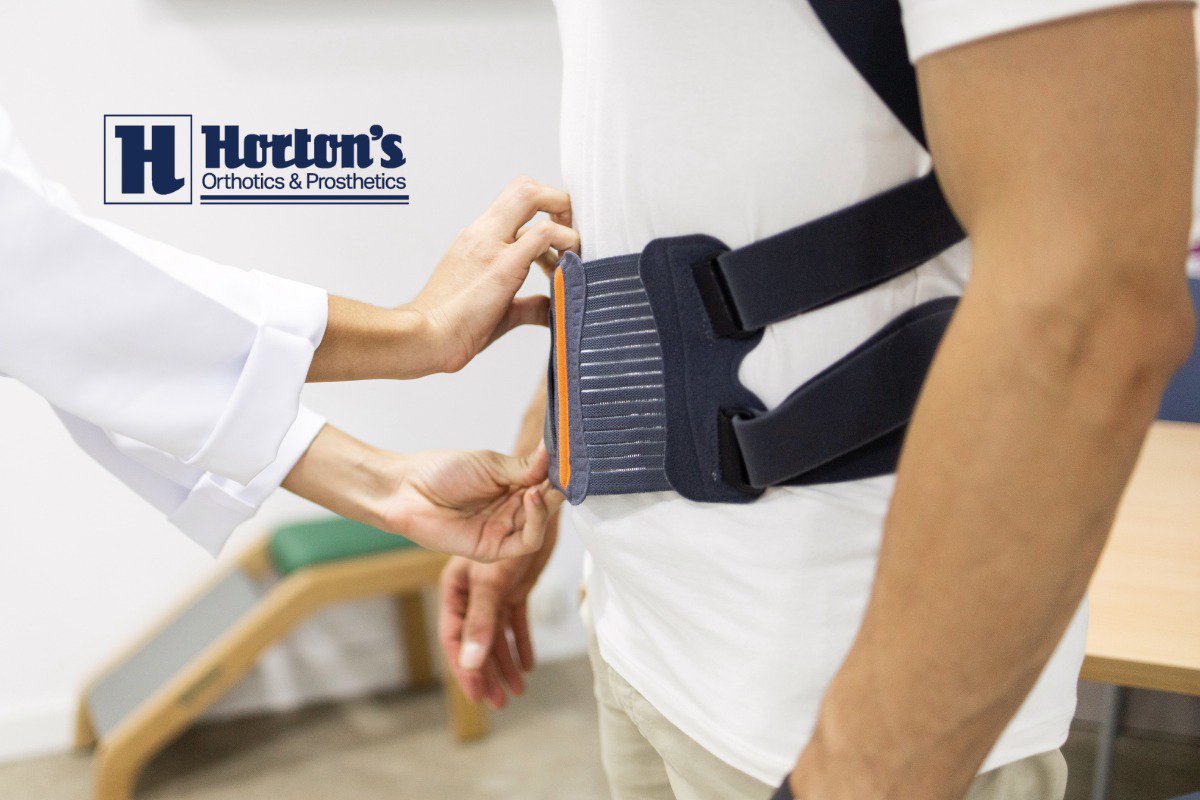
Daily life with a scoliosis brace can feel like a big adjustment at first, especially when you’re figuring out how to sit, sleep, move, and get dressed comfortably. The good news is that most people get more confident with a brace once they find a simple routine and a few practical tips. With the right plan, you can reduce irritation and stress, stay active at school or work, and keep making progress toward your treatment goals. Here’s how to build a daily routine that works with your scoliosis brace, not against it.
Key Takeaways:
- Scoliosis braces are often worn up to 23 hours a day; routine, planned breaks, and tracking can help provide relief.
- Wear a snug, moisture-wicking shirt under the brace to help prevent skin irritation.
- Mild discomfort is common, but real pain or skin damage should be checked by an orthotist.
- Back sleeping or supported side sleeping usually works best; avoid stomach sleeping.
- Loose, layered clothes and high-waisted bottoms can help hide the brace while still looking good.
- Activities like swimming, biking, or yoga are usually encouraged, though some activities may need brace-off time.
- Clean the brace daily with rubbing alcohol; keep skin dry and avoid lotion during wear.
- Support from friends, family, and groups like Curvy Girls can boost confidence.
- Journaling, small goals, and positive self-talk can help with motivation.
- At school, tools like 504 plans, padded seats, and open communication with staff can help support a student’s daily life with a scoliosis brace.
- Braces often need adjustments as kids grow; stopping depends on bone maturity and whether the curve stays stable.
What Does Daily Life With a Scoliosis Brace Look Like?
A typical day with a scoliosis brace is about consistency and routine; most braces work best when worn for most of the day (sometimes up to 23 hours).
A simple checklist, chart, or phone app can make tracking hours easier. If your goal is 20 hours a day, for example, an app can help track when the brace was on or off, total hours, and what you did during breaks.
How Do You Organize Your Schedule To Manage Daily Life With a Scoliosis Brace?
Try to follow a steady schedule with short planned breaks. Mornings are often a good time to wear the brace, especially for school and getting ready. If your doctor allows it, take quick breaks for the gym or sports.
Additionally, check the skin under the brace each morning for redness or sore spots. If necessary, wear a cloth shirt under the scoliosis brace to reduce rubbing and help keep the skin dry.
Use brace-free time during high-movement parts of your day, like sports or active play. Then put the brace back on during lower-activity times, like homework or watching TV. If your doctor recommends it, wearing it during sleep can help you reach your daily goal.
Consistency matters more than perfection. Many families also prep at night by cleaning the brace and laying out a fresh undershirt to make mornings easier. Horton’s Orthotics & Prosthetics offers support and resources for those managing daily life with a scoliosis brace.
How To Minimize Discomfort While Wearing Your Brace All Day
Wearing a scoliosis brace all day can feel challenging, but these steps can help:
Use a soft, snug shirt under the brace.
A fitted base layer helps prevent rubbing and controls sweat. Smooth, breathable, moisture-wicking shirts are often the most comfortable.
Try simple options for skin irritation.
If your skin feels sore, try plain cornstarch or a light powder. Avoid lotion under the brace because it traps moisture and can make irritation worse. If you get sores or blisters, contact your orthotist.
Frequently Asked Questions:
| Question | Answer |
|---|---|
| What if the brace feels too tight or presses too much? | Tell your orthotist. The brace should feel snug, but it should not cause pain or make it hard to breathe. Ongoing red marks or pressure spots may mean it needs trimming or padding. |
| How do I manage rubbing or pressure points? | Some people use a folded soft shirt or sock in the problem spot for short-term relief. But if the issue keeps happening, your brace team should fix the fit. |
| What if the skin breaks open? | Stop wearing the brace and contact your brace team the same day. Use a healing cream like Aquaphor and wait for guidance before wearing it again. |
| Can the fit change over time? | Yes, especially during growth spurts. Regular follow-ups help keep the brace fitting correctly. |
Discomfort during daily life with a scoliosis brace can happen, but pain is a sign to speak up. Horton’s Orthotics & Prosthetics offers custom-made products, designed specifically to your needs.
Daily Life With a Scoliosis Brace: What to Know About Sleeping
What Is The Best Sleeping Position While Wearing a Scoliosis Brace?
Sleeping on your back or on your side with support usually works best.
Back sleeping spreads weight and reduces pressure. If you sleep on your side, put a pillow between your knees to reduce hip strain.
Can I Sleep On My Stomach With a Scoliosis Brace?
Avoid sleeping on your stomach while wearing a brace, as it can twist your back and add pressure to your chest and stomach.
Other Tips For Sleeping Comfortably in a Brace:
A firmer mattress can help keep your spine aligned. Supportive pillows (including side-sleeper or body pillows) can also help.
Warm showers at bedtime can relax muscles. Make sure the skin is fully dry before putting on a clean undershirt and the brace. A cool room and light bedding can help reduce sweating.
Choosing & Styling Clothes with a Scoliosis Brace
What clothing styles work well over a brace?
Loose clothes with some structure help. Layers, ruffles, peplum tops, boxy shirts, and flowy jackets can hide brace lines.
How can you conceal the brace under clothing?
Start with a snug base layer, then add relaxed outer layers. High-waisted leggings or jeans often cover brace edges well.
Can you still have your own style?
Yes! Many people use half-tucks, crop tops with high-rise pants, jumpsuits, or dresses with belts placed above their brace. Use accessories, such as a necklace, bag, or pair of shoes, to show off your style even more.
What if it’s warm outside?
Breathable fabrics like cotton and light knits help. Tanks under the brace can reduce sweat, and short-sleeve button-downs can add light coverage.
What Sports Can Be Adapted to Daily Life with a Scoliosis Brace?
Swimming, biking, running, and dancing are common options. Some sports may require removing the brace, then wearing it longer later to meet daily hours. Always follow your doctor’s advice.
Can You Go To The Gym with a Scoliosis Brace?
You can go to the gym, as long as you are mindful and make smart changes. For example:
- Avoid twisting crunches and heavy back lifts
- Choose slow, controlled movements
- Focus on stamina with bikes, treadmills, and rowing machines
Gentle stretching is another good option. Try arm circles, side-to-side neck tilts, and hamstring and quad stretches. Yoga or low-impact Pilates can also help with posture and core strength.
If you remove the brace, keep it clean and put it back on as soon as you can.
Exercise helps you stay strong and flexible, but it does not replace bracing for curve control. A physical therapist can help you start safely. Contact Horton’s Orthotics & Prosthetics for more information and resources on wearing a scoliosis brace every day.
What Does Good Hygiene with a Scoliosis Brace Look Like Daily?
Every day brace care helps cut down on sweat, bacteria, and skin irritation: wipe the inside and outside with rubbing alcohol on a soft cloth, then let it dry fully before wearing it again.
- Wear a snug, seamless undershirt that covers all skin under the brace. Avoid thick seams and tags, and pick moisture-wicking fabric to help keep the area dry.
- To avoid pimples and sore “hot spots,” start with clean, dry skin.
- Don’t use lotion under the brace; if moisture is a problem, use a little cornstarch.
- Tell your orthotist if you get a rash or redness that keeps coming back.
Call for help if you see open sores, peeling skin, a strong odor, pus, big bruises, or blisters. Redness should go away within about 30 minutes after you take the brace off.
If your skin is damaged, stop wearing the brace and contact your orthotist or doctor. Keep the area clean and dry, and cover it with a non-stick bandage if you need to.
FAQs: Adjusting, Replacing, & Transitioning Out Of Your Brace
Every person’s timeline is different. The goal is a stable spine and a healthy, confident life.
When is it time for an adjustment?
If the brace feels loose, shifts, causes new pain, or leaves new marks, it may need an adjustment. Worn edges or extra space are also signs.
What happens at follow-up visits?
Doctors review X-rays and growth patterns. Orthotists check the brace condition and fit and ask about wear time. Visits are often every few months.
When can a teen stop wearing their brace?
Usually, when growth is mostly done and the curve stays stable, teens can start the process. Stopping often happens gradually: fewer hours per day, then night-only, then stopping fully, based on your doctor’s plan.
How do you maintain motivation during long-term scoliosis treatment?
Set small goals, track progress, and celebrate wins.
A journal can help you track brace hours, skin changes, and moods. Over time, it can show how you’re improving. Short mantras can also help, like “One day closer” or “Brace strong.”
Tie brace time to something positive, like watching a favorite show or doing a relaxing activity.
What About Emotional or Social Challenges?
It’s normal to feel worried about looking different or getting attention in daily life, especially for children and teens at school.
If you feel sad, stressed, or anxious, talk to a parent, teacher, or doctor. Support groups like Curvy Girls can help a lot because you get advice from people who truly understand.
If stress keeps building, a counselor or therapist can help you learn coping skills. Organizations like Horton’s are also available to offer support and resources for managing daily life with a scoliosis brace.

Remember, the brace is a tool. It doesn’t define who you are.
Next Steps: Get Expert Support from Horton’s Orthotics & Prosthetics
Sticking with a scoliosis brace day after day is a big commitment, but it gets easier when you have a routine, the right comfort strategies, and a brace that truly fits the way it should. If you’re dealing with persistent redness, new pressure points, slipping, or pain, or if you’re simply unsure whether your brace is working as well as it can, don’t try to “tough it out” alone. Horton's Orthotics & Prosthetics can help evaluate fit, make adjustments, and share practical tips so your brace supports your goals at school, at work, and at home.
Ready for a better brace fit?
Contact Horton’s Orthotics & Prosthetics to schedule a brace check or adjustment and get personalized support for daily life with a scoliosis brace.